Short answer: The best private chef dinner parties follow a clear division of labor — the chef owns the food, the host owns the room. That means you're responsible for guest list, seating, vibe, wine, and flow, and the chef is responsible for the menu, shopping, cooking, service, and cleanup. Plan the booking 2 to 5 weeks out, brief your chef in writing, and follow the step-by-step timeline below. A well-hosted private chef dinner for 8 costs roughly $1,500 to $2,800 all-in and delivers a dramatically better experience than a restaurant dinner for the same group.
Hosting a dinner party at your home used to be a choice between two bad options: cook everything yourself and spend the party exhausted in the kitchen, or phone it in with catering trays that no one remembers the next day. Private chef bookings have quietly made a third option mainstream — restaurant-quality food, plated live in your home, with zero kitchen work for you and a meaningfully better experience for your guests.
But there's a learning curve. The #1 reason private chef dinner parties disappoint isn't the chef. It's that the host didn't know what a host is supposed to do differently when a chef is involved. Done right, a private chef dinner party is the best dinner your guests will have all year. Done poorly, it's an awkward evening of watching strangers cook in your kitchen while no one knows what to do.
Tell us your date, city and guest count. Vetted chefs send menus with all-inclusive per-person prices. Free, no obligation.

If you are looking for private chef
- Austin -Austin Private Chef | Dinner Parties from $95/Guest
- San Diego - San Diego Private Chef | Dinner Parties from $115/Guest
- Fredericksburg - Fredericksburg Private Chef | Hill Country Dinners $90/Guest
- Los Angeles - Private Chef in Los Angeles | Dinner Parties from $115/Guest
- Miami - Miami Private Chef | Dinner Parties & Yacht Menus $125+
- New York -Private Chef NYC | Manhattan & Brooklyn from $120/Guest
- Nashville – Private Chef Nashville | Book an In-Home Chef
- Denver - Private Chef Denver | Book an In-Home Chef
This guide walks you through exactly how to host it — from the first booking email to the last guest leaving.
The New Division of Labor
When you host a dinner party with a private chef, the job splits cleanly:
The chef owns:
- Menu design
- Grocery shopping
- Prep, cooking, plating, and service
- Kitchen cleanup
You own:
- Guest list and invitations
- Seating and table setting
- Wine, cocktails, and other beverages
- Vibe — music, lighting, candles, flowers
- Welcoming guests
- Leading conversation and pacing the night
What you share with the chef:
- Timing of each course
- Dietary restrictions and allergies
- Preferences and context (celebration, occasion, tone)
Everything that makes a dinner party feel special except the food is still your job. That's actually the point — you get to be a real host instead of someone trapped at the stove.
Step 1: Decide What Kind of Dinner Party You're Throwing
Before you talk to a chef, decide which of these your dinner is:
- Intimate dinner (2–6 guests) — best with a 4-course plated menu, seated around a single table
- Classic dinner party (6–12 guests) — the sweet spot; most chefs run this solo, and it's where private chefs add the most value per dollar
- Celebration / milestone (10–20 guests) — birthday, anniversary, proposal, graduation. Usually needs a server, sometimes a bartender
- Casual gathering (8–20+ guests) — BBQ, pizza night, taco bar, pasta-making class. Less formal, more interactive
- Corporate dinner at home (6–14 guests) — business-client entertaining. Usually higher-end, plated, wine-paired
The type drives everything else — menu style, timing, staff needs, and budget. Decide this first.
Step 2: Set Your Budget
Realistic 2026 per-guest budgets for a classic dinner party at home, all-in (chef labor, groceries, gratuity, but excluding wine):
- Casual dinner party: $125 – $185 per guest
- Mid-range multi-course: $200 – $295 per guest
- Elevated tasting menu: $300 – $450 per guest
- Luxury / celebrity chef: $475 – $800+ per guest
For a dinner party of 8, budget $1,500 to $2,800 as the most common total. That includes chef labor, groceries, and gratuity. Wine is extra and depends entirely on your cellar.
Step 3: Book the Chef (2–5 Weeks Out)
Booking timeline by party type:
| Party Type | Lead Time |
|---|---|
| Weeknight dinner for 4–6 | 1–2 weeks |
| Saturday dinner party for 8–12 | 2–4 weeks |
| Milestone birthday for 10–16 | 4–8 weeks |
| Holiday season dinner (Nov–Jan) | 6–10 weeks |
| Proposal or anniversary dinner | 4–8 weeks |
When you reach out to a chef, include:
- Date, time, and guest count
- Occasion
- Type of party (intimate, classic, celebration, casual)
- Any dietary restrictions you already know about
- Cuisine preference if you have one
- Budget range (save everyone time)
- Your kitchen setup (stove type, oven, counter space)
A chef who comes back with specific follow-up questions is the chef you want. A chef who sends a generic menu immediately is usually less experienced.
Step 4: Build the Menu With Your Chef
This is the most fun step, and it's where most hosts get the most value. Real private chefs don't just send a menu — they build one around your table.
Give your chef:
- Every dietary restriction — not just the major ones. Include strong dislikes (cilantro, blue cheese, spicy food, mushrooms, raw fish) for each guest
- Occasion context — a 60th birthday, a proposal, a promotion, a first dinner party in a new house. The chef paces courses differently for each
- Tone you want — intimate and slow, loud and festive, classic and elegant, casual and fun
- Menu style — plated courses vs. family-style vs. interactive (like a pasta-making class or taco bar)
- Seasonal preferences — what's in season matters, so trust the chef on swaps
- Your kitchen constraints — if your oven runs hot, the chef needs to know
A good chef will come back with 2–3 menu options calibrated to your brief. Pick the one that matches the tone, not just the ingredients you love.
Step 5: Plan the Wine (Your Job, Not the Chef's)
Most private chefs don't hold alcohol resale licenses, so wine is BYO. But the chef should help you with pairings. Two paths:
Path A: You pick the wine yourself. Share the final menu with a wine shop or your sommelier (a good local shop will do pairings for free if you buy from them). Budget $35–$85 per bottle for a standard dinner party, $85–$250+ per bottle for an elevated one. Plan roughly one bottle per two guests, plus a welcome bottle of something sparkling.
Path B: Ask your chef for pairing notes. Every experienced private chef can write a quick pairing list for each course. Bring the list to your wine shop and buy from there.
Don't forget non-alcoholic options — sparkling water, a mocktail, NA beer. In 2026, at least 20% of adult dinner guests are drinking less or not at all, and a host who thinks about this is remembered.
Step 6: Set the Table and Atmosphere (1–2 Days Before)
This is where you earn your "host" credentials. The chef is handling the plates; you're handling the room. Your checklist:
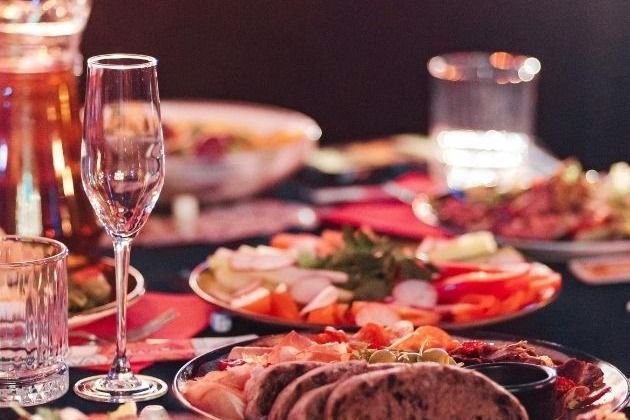
- Table setting — real plates, real silverware, cloth napkins if you have them. No paper
- Glassware — water, wine (ideally both red and white), and a cocktail or champagne coupe if you're doing a welcome drink
- Flowers — low arrangements so guests can see across the table, never taller than 9 inches
- Candles — unscented only; scent competes with the food. Low taper candles or tealights
- Lighting — dim the overhead; use lamps and candles instead. If you have a dimmer, use it
- Music — a playlist you built (not streaming radio); something with a beat but not loud vocals. Start it 30 minutes before guests arrive
- Bathroom — hand towel swapped, nice soap out, air freshener handled
- Coat and bag storage — a bed or a bench they can dump onto
None of this is optional. The food is half the dinner party. The room is the other half.
Step 7: Brief Your Chef One Final Time (3 Days Before)
Send a short confirmation email to the chef 3 days before:
- Final guest count (chefs order ingredients based on this — don't change it within 48 hours)
- Final timing (what time guests arrive, what time you want to sit down, what time first course lands)
- Any late-breaking dietary changes
- Kitchen access details (how they get in, where to park, alarm codes, pet situations)
- Any preferences for how they interact with guests — some chefs stay in the kitchen, some love to present each course at the table. Let them know what you prefer
If you haven't done it already, offer a short video kitchen walkthrough — 2 minutes showing the stove, oven, fridge, pantry, and where dishes and serving platters are. Chefs love this and it saves 15 minutes of setup confusion.
Step 8: Day-of Timeline
Here's what a typical Saturday night private chef dinner looks like from the host's perspective:
12:00 PM — Chef confirms shopping is done and final arrival time 3:00 PM — You tidy common areas, set the table, put out candles 4:00 PM — Music on, lights dimmed, quick shower and get ready 4:30 PM — Chef arrives (usually 2–2.5 hours before service) 5:00 PM — You step out of the kitchen and let the chef work. Do not help. Do not hover. 5:30 PM — First guests may arrive. Greet, take coats, offer a welcome drink 6:00 PM — Planned arrival time; all guests in the door 6:15 PM — Welcome drinks in the living room; chef may send out an amuse-bouche 6:45 PM — Sit down at the table 6:50 PM — First course arrives 7:15 PM — Second course 7:45 PM — Third course (main) 8:30 PM — Dessert 9:00 PM — Chef does final cleanup and quietly leaves 9:00 PM onward — You and your guests move to the couch or patio; it's just a party now
The chef controls course timing, not you. Your job is to lead the conversation, keep the wine moving, and pace the table. If a course feels too fast or too slow, tell the chef at the table — they'll adjust.
Step 9: During Service — What the Host Actually Does
The three things that separate a great host from an okay one during service:
1. Introduce the chef to your guests. When you sit down, stand up briefly and introduce the chef by name, tell the table what menu they're about to have, and thank the chef. This single moment transforms the dinner from "caterer at home" to "chef-driven experience." Takes 60 seconds.
2. Lead the conversation. A dinner table of 8 strangers (or 8 acquaintances) will not self-entertain. Have 2–3 conversation starters ready for when lulls hit. Ask questions. Redirect if someone's dominating.
3. Pace the wine. Keep glasses from going empty; don't over-pour. Offer each course's pairing with a one-sentence explanation. If someone's slowing down, don't push.
What you should not do:
- Stand in the kitchen watching the chef work
- Apologize for the menu or try to help plate
- Ask the chef to rush or slow a course in real-time (do this before service starts)
- Compliment every bite out loud — it gets awkward. Let the food speak
Step 10: After the Dinner
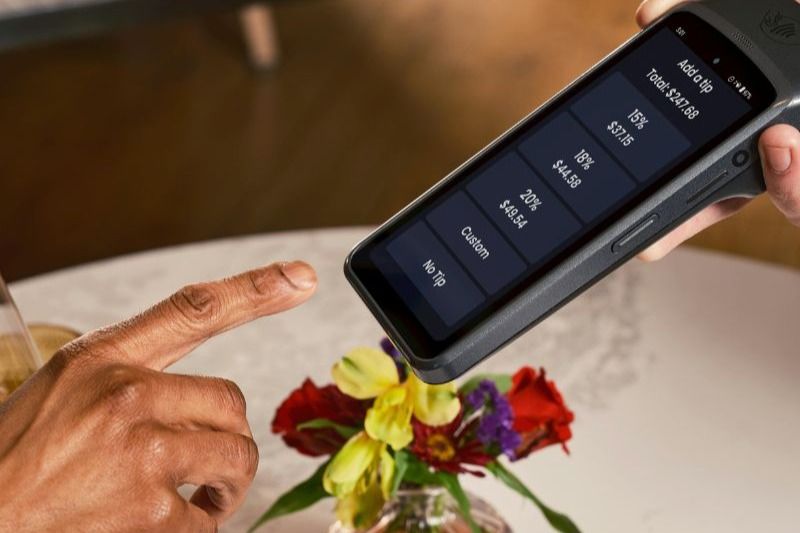
When the chef finishes cleanup, walk them out, thank them, and handle gratuity. 2026 standard tipping:
- 18–22% of chef labor for a standard dinner
- 25% for exceptional service or heavy dietary accommodation
- Separately tip service staff (server, sous) at 18–20% of their individual labor
- Cash is preferred but Venmo/Zelle is standard and accepted
If the chef was excellent:
- Leave them a review (Google, Yelp, or the platform you booked through)
- Ask for their business cards or booking link — your guests will ask
- Consider a holiday gift if this is someone you'll book again
The Host Cheat Sheet
Print this and keep it in your kitchen for the next time:
- 2–5 weeks out: Book chef, finalize guest list, send invitations
- 1 week out: Confirm menu, plan wine, buy candles and flowers
- 3 days out: Send chef final brief, confirm guest count
- 1–2 days out: Set the table, clean common areas
- Day of: Tidy, dim lights, music on, meet chef, greet guests, sit down
- During: Introduce chef, lead conversation, pace the wine
- After: Walk chef out, tip 18–22%, review
7 Mistakes That Ruin Private Chef Dinner Parties
1. Changing guest count within 48 hours of service. Chefs shop based on your count; shifting it last minute either wastes ingredients or short-plates someone.
2. Forgetting to share dietary restrictions in writing. "Oh, Sarah doesn't eat shellfish" said at 6:45 PM is how the shrimp course becomes a problem.
3. Helping in the kitchen. It slows the chef down and puts you in a hosting dead zone. Stay out.
4. Over-scripting the evening. Don't plan a game, a toast, a slideshow, and a surprise. The food is the event — let it be.
5. Under-planning the non-food atmosphere. Paper plates, fluorescent overhead lighting, a Spotify ad break, a dog that begs at the table. All fixable, all ruinous.
6. Picking a chef based only on price. The difference between a $125/guest chef and a $225/guest chef is rarely 80% — it's usually a specific, noticeable jump in quality, creativity, and service polish.
7. Not introducing the chef. This is the single biggest signal to your guests that this is a real experience, not takeout in nice clothes. It takes one minute.
When a Private Chef Dinner Party Beats a Restaurant
Quick math for a group of 8:
| Category | Restaurant Dinner | Private Chef at Home |
|---|---|---|
| Food | $120 – $180 per person | $185 – $275 per person |
| Wine | 2.5–4x retail markup | BYO from your cellar or retail |
| Transportation (both directions) | $60 – $140 | $0 |
| Parking / valet | $25 – $60 | $0 |
| Reservation difficulty | High at top spots | 2–5 weeks ahead |
| Table time | 90–120 minutes | 3+ hours unrushed |
| Menu customization | Limited | Fully built around your table |
| Ability to control pacing | None | Full |
| Photo-ability | Hard | Perfect |
For parties of 6 or more, private chef dinner parties are typically equal cost or cheaper once you strip out restaurant wine markup and transportation — and far better as an experience.
Request a Free Quote - Enquiry | Request a Chef | Platesfull
Ready to Book?
At PlatesFull, we match dinner party hosts with vetted private chefs — every cuisine, every tier, every major U.S. market. Browse menus, compare chefs, and book your dinner party in under 60 seconds, with itemized pricing and chef-guest briefing templates included.
FAQs
How much does it cost to host a dinner party with a private chef?
A dinner party with a private chef costs $125 to $450+ per guest in 2026, with most hosts landing in the $200–$295 per-guest range for a multi-course meal. A standard dinner party for 8 totals $1,500–$2,800 all-in, including chef labor, groceries, and gratuity. Wine is extra.
How far in advance should I book a private chef for a dinner party?
Book 2 to 5 weeks out for most dinner parties. For milestone birthdays or 10+ guests, book 4 to 8 weeks out. Holiday season dinners (November through January) and proposal dinners require 6 to 10 weeks lead time.
What does the host do when a private chef is cooking?
The host handles guest list, invitations, seating, wine, flowers, candles, music, lighting, greeting guests, introducing the chef, and leading conversation. The chef handles all food — menu, shopping, prep, cooking, plating, service, and cleanup. The host should not hover or help in the kitchen.
Do private chefs bring their own equipment and ingredients?
Most private chefs bring their own knives, specialty tools, and sometimes plating pieces. Ingredients are either shopped and passed through at receipt cost, charged as a flat per-guest grocery fee, or bundled into an all-inclusive package. Confirm the billing method when booking.
Do I need to provide wine for a private chef dinner party?
Yes, almost always. Most private chefs don't carry alcohol resale licenses, so wine is BYO. A good chef will provide pairing notes for each course so you can buy appropriate bottles from a specialty wine shop. Budget $35–$85 per bottle for a classic dinner party, or more for elevated menus.
Should I introduce the private chef to my guests?
Yes — this single 60-second moment transforms the dinner from "catering at home" into a chef-driven experience. When everyone sits down, stand up briefly, introduce the chef by name, describe the menu they're about to have, and thank them. Your guests will remember it.
Can a private chef accommodate multiple dietary restrictions at a dinner party?
Yes. This is one of the main reasons people hire private chefs instead of going to restaurants. A good chef can handle gluten-free, vegan, pescatarian, keto, allergies, and preferences at a single sitting. Share every restriction in writing at booking, and confirm again 3 days before the event.
How long does a private chef dinner party last?
Plan for roughly 3 to 3.5 hours at the table (from welcome drinks through dessert), with the chef on-site for 4 to 5 hours total (setup, service, cleanup). Multi-course tasting menus run longer; casual family-style dinners run shorter.
What's the biggest mistake hosts make when hiring a private chef?
Changing the guest count within 48 hours of the dinner. Chefs shop based on headcount — adding two guests on Friday afternoon for a Saturday dinner either wastes ingredients or forces a smaller plate for someone. Lock your count 3+ days out and stick to it.
Before You Plan — Know How to Hire
Great planning starts with hiring the right chef. If you haven't booked a private chef before, our step-by-step guide covers everything from finding candidates to confirming the details before your event. Read: How to Hire a Private Chef: A Step-by-Step Guide for First-Time Hosts (2026)
If you're planning to hire a private chef for your dinner party and want a step-by-step walkthrough — from guest count and menu planning to kitchen prep and evening flow — our complete hosting guide covers everything: How to Hire a Private Chef: Step-by-Step Guide →